Chapter 7: Elections
Verified step-by-step solutions for your class notes.
1. What reforms have been introduced by the ECI to make voting more inclusive for the following groups?
a. People with Disabilities
b. Service Voters
c. Senior Citizens- above 85 years of age
d. Prisoners
e. Persons in preventive detention
- a. Persons with Disabilities (PwDs): EVMs equipped with Braille signage, ramp facilities, and wheelchair assistance at polling booths, dedicated support through the Saksham App, and optional home voting for individuals with at least 40% benchmark disability.
- b. Service Voters: Introduction of the Electronically Transmitted Postal Ballot System (ETPBS), allowing armed forces and deployed personnel to receive and cast postal ballots electronically from any duty station outside their constituency.
- c. Senior Citizens (above 85 years of age): Nationwide provision of the "Vote-from-Home" facility with postal ballots, overseen directly by polling teams and videographed to ensure secrecy and accessibility.
- d. Prisoners: Under Section 62(5) of the Representation of the People Act, 1951, persons confined in prison under a sentence of imprisonment or lawful police custody do not have the right to vote.
- e. Persons in Preventive Detention: Explicitly permitted under statutory rules to exercise their franchise through postal ballots dispatched to their place of detention.
2. What are the various functions of the Election Commission of India? Which of these functions is most important for the conduct of free and fair elections? Explain.
- Preparation and Revision of Electoral Rolls: Periodically updates voter registries through Special Intensive Revision (SIR) to include eligible citizens and eliminate duplicates or deceased entries.
- Notification of Election Schedules: Decides polling dates, phasing, and counting schedules while taking into account weather, crop seasons, exams, and festivals.
- Registration and Symbol Allotment: Registers political parties, accords National/State party status, allocates reserved symbols, and resolves symbol disputes as a quasi-judicial body.
- Enforcement of the Model Code of Conduct (MCC): Regulates speeches, campaign finance, and prevents ruling parties from misusing official machinery.
- Most Important Function: Enforcement of the Model Code of Conduct and independent superintendence under Article 324. This levels the playing field between incumbent governments and opposition candidates, ensuring impartiality and preserving public trust in election outcomes.
3. Elections are the soul of a democracy. Do you agree? Why or why not?
Yes, elections are the soul of a democracy for the following reasons:
- Popular Sovereignty & Legitimacy: State authority is derived directly from the consent of the governed; regular elections confer constitutional legitimacy on the ruling government.
- Accountability and Public Scrutiny: Periodic elections empower citizens to evaluate rulers, vote non-performing leaders out of office, and hold representatives accountable.
- Political Equality: Universal adult franchise grants every citizen one vote of equal weight, regardless of socioeconomic background.
- Peaceful Transfer of Authority: Provides a stable, rule-bound mechanism for political change without resorting to violence or instability.
4. Explain at least three differences between the national and state/regional political parties.
| Parameter | National Party | State / Regional Party |
|---|---|---|
| Area of Influence | Has an all-India presence and influences policy across multiple states. | Influence is largely restricted to a specific state or region. |
| Recognition Criteria | Must secure at least 6% votes in 4 states plus 4 Lok Sabha seats, or 2% Lok Sabha seats across 3 states, or be recognized in 4 states. | Must secure at least 6% votes plus 2 Assembly seats, or 3% of total Assembly seats, or 8% total state votes. |
| Symbol Exclusivity | Its reserved symbol is protected exclusively across the entire country. | Its reserved symbol is protected only within the state where it is recognized. |
5. Why should you vote? Arrange the following in the descending order of your choice. Discuss the reasons for your choice.
a. Opportunity to choose my representative
b. Makes me a responsible person
c. Opportunity to change the non-performing representative
d. Strengthens democracy
Arranged in Descending Order of Priority:
- d. Strengthens democracy: A democracy thrives on high citizen participation; voting protects collective constitutional rights and popular sovereignty.
- a. Opportunity to choose my representative: Ensures personal values and community needs are voiced directly in the legislature.
- c. Opportunity to change the non-performing representative: Serves as a vital accountability check, ensuring elected officials cannot take their mandate for granted.
- b. Makes me a responsible person: Cultivates individual civic duty and active awareness of national affairs.
6. What is the Special Intensive Revision (SIR) initiative of the ECI? Explain the objectives and the necessity of conducting SIR.
- Definition: Special Intensive Revision (SIR) is a house-to-house enumeration and verification exercise conducted by the ECI to update, verify, and authenticate electoral rolls.
- Primary Objectives:
• Enroll eligible first-time voters turning 18 years of age.
• Eliminate invalid names due to death, permanent relocation, or duplicate enrollments.
• Correct demographic errors and verify residential addresses. - Necessity: Accurate electoral rolls prevent voter impersonation and bogus voting, ensuring no legitimate citizen is disenfranchised while preserving the integrity of the ballot.
7. Match the political party name with its symbol.
| Political Party Name | Official Symbol | Symbol Description |
|---|---|---|
| Aam Aadmi Party (AAP) |
|
Broom |
| Bharatiya Janata Party (BJP) |
|
Lotus |
| Bahujan Samaj Party (BSP) |
|
Elephant |
| Communist Party of India (Marxist) [CPI (M)] |
|
Hammer, Sickle and Star |
| Indian National Congress (INC) |
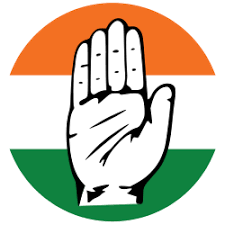
|
Hand |
| National People's Party (NPP) |
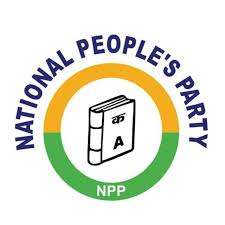
|
Book |
8. Read the case study below and answer the following questions:
a. What initiatives were taken by the ECI to enable the voters to cast their vote?
b. If Ishani was allowed to vote even without carrying her Voter ID card or Aadhaar card, which other document might she be carrying that is valid for voting?
c. Cite the examples of violations of the Model Code of Conduct.
d. Give a suitable title to the passage.
e. Find out how the police and army personnel cast their votes.
- a. ECI Initiatives: Online voter registration portal, ramps with wheelchair assistance and volunteers for disabled voters, security arrangements, VVPAT verification slips, and vote-from-home facilities for senior citizens.
- b. Alternative Valid Identity Documents: Passport, Driving Licence, PAN Card, MNREGA Job Card, Bank/Post Office Passbook with photograph, or Pension payment order.
- c. Violations of Model Code of Conduct (MCC): Defacing public and private property with unauthorized wall writing/posters, and conducting active political campaigning within the 48-hour silence period preceding polling.
- d. Suitable Title: "Inclusive Democracy: A First-Time Voter's Journey" or "No Voter Left Behind: The Festival of Democracy in Action".
- e. Voting Method for Duty Personnel:
• Army / Defence Personnel (Service Voters): Vote via the Electronically Transmitted Postal Ballot System (ETPBS).
• Police Personnel on Election Duty: Cast their votes via Postal Ballots or Election Duty Certificates (EDC) at voter facilitation centers before election day.
9. A comparative chart of three countries is given below. Based on the information given in the chart, answer the questions:
a. What is the difference between having a voting right in a country with a multi-party system and another with a single-party system?
b. In which of the above countries would you like to stay and why?
- a. Multi-Party vs. Single-Party Voting Rights:
• In a multi-party system (Country A), voting provides genuine democratic choice among competing ideologies, holding representatives accountable.
• In a single-party system (Country B), voting is merely formal approval without alternatives, leaving citizens unable to change government policies. - b. Country of Choice: Country A. While Country B or C may display higher economic indicators, Country A guarantees fundamental freedoms, political choice, rule of law, and institutional accountability, which are essential for long-term human dignity and rights.
10. What are the challenges to conducting free and fair elections?
- Money Power: Excessive campaign spending and distribution of cash or liquor to induce voters.
- Muscle Power & Intimidation: Threats, booth disruption, and violence aimed at suppressing voter turnout.
- Misinformation & Fake News: Coordinated digital disinformation campaigns and deepfakes designed to polarize communities.
- Appeals to Caste and Religion: Polarization of electorates along communal or sectarian lines, in violation of electoral laws.
- Unequal Campaign Resources: Disproportionate financial resources between established parties and independent candidates.
11. On the Stage: School election role-play for posts of Head Girl, Head Boy, and Sports Captain.
Classroom Simulation Role Breakdown:
- Election Commissioner: Issues the election schedule, oversees the Model Code of Conduct, and announces results.
- Returning Officer: Scrutinizes nomination forms and conducts the official tally.
- Candidates & Campaigners: Draft student manifestos on school safety, sports equipment, and library resources while adhering to campaign rules.
- Polling & Presiding Officers: Check student identity cards against the roll, mark fingers with indelible ink, and oversee voting booths.
- Polling Agents: Nominated by candidates to observe polling and ensure counting fairness.
- Police Personnel: Maintain quiet order around the polling booth and guard ballot boxes.
- Journalist: Interviews students on key issues, reporting live exit reactions.
12. Try and make videos or audios on topics like: My Vote My Nation; No Voter to be Left Behind; How to Eliminate the Ill of Money Power, etc.
Script Concept — "No Voter to be Left Behind":
- Scene 1 (Visual): A student narrator speaking near an EVM model with Braille signage, highlighting ramp facilities and the Saksham App.
- Scene 2 (Audio Narration): "Democracy is strongest when every single citizen has a voice—from remote mountain peaks to city centers, from first-time 18-year-olds to 85+ seniors voting from home."
- Scene 3 (Call to Action): Display the National Voters' Day pledge: "Pledge to vote fearlessly, free from bias or inducement. Your vote is your power!"
13. Select one national or state political party. Prepare a comparative chart of the last two State Legislative Assembly elections including manifesto promises, vote percentage, seats won, and women representation.
Comparative Case Model (State Legislative Assembly Elections):
| Parameter | Previous Assembly Election | Recent Assembly Election |
|---|---|---|
| Key Manifesto Pledges | Rural loan waivers, subsidized domestic power, expansion of public transport. | Youth skill apprenticeships, direct DBT transfers to women heads of household, digital classrooms. |
| Vote Share Polled (%) | 38.5% of total valid votes. | 41.2% of total valid votes. |
| Seats Won | 95 seats out of 200. | 112 seats out of 200. |
| Women Candidates Contested | 24 women fielded. | 31 women fielded. |
| Women Candidates Elected | 11 women elected. | 16 women elected. |
Source: Official Statistical Reports, Election Commission of India (ECI).
14. Do you think 'One Nation, One Election' can improve the efficiency of the electoral process? Divide the class and discuss into two groups—one to examine its potential advantages and the other to analyse its limitations.
| Potential Advantages (Group A) | Potential Limitations (Group B) |
|---|---|
|
• Substantial Cost Savings: Curtails redundant public expenditures on administrative logistics, security deployments, and voting infrastructure. • Continuous Governance: Avoids frequent implementation of the Model Code of Conduct, which often halts new development schemes. • Reduced Voter Fatigue: Encourages consolidated participation in a single electoral exercise. |
• Federalism & Regional Issues: Regional concerns may get overshadowed by dominant national narratives. • Constitutional Hurdles: Requires complex amendments to synchronize legislative terms and handle premature government dissolutions. • Reduced Mid-term Accountability: Infrequent voting reduces opportunities for citizens to check representatives between cycles. |